Why MMORPGs Are Leading the Charge in Open World Game Development
In the ever-evolving world of video games, MMORPGs (Massively Multiplayer Online Role-Playing Games) have begun to set the pace for the development of open world games. The intricacies of these expansive environments combined with dynamic player interactions present a unique framework for game development. But why are MMORPGs at the forefront of this evolution? Let’s dive deep into the reasons behind this rising trend.
The Appeal of MMORPGs: A Brief Overview
To understand why MMORPGs are leading the charge, we need to look at what makes them appealing. Players are looking for expansive worlds where they can explore, engage with others, and partake in epic adventures. Titles like World of Warcraft have set benchmarks by creating immersive experiences where players can invest hours without losing interest. The combination of narrative depth, social interaction, and challenging gameplay maps out a rich gaming landscape.
Open World Games: Redefining Boundaries
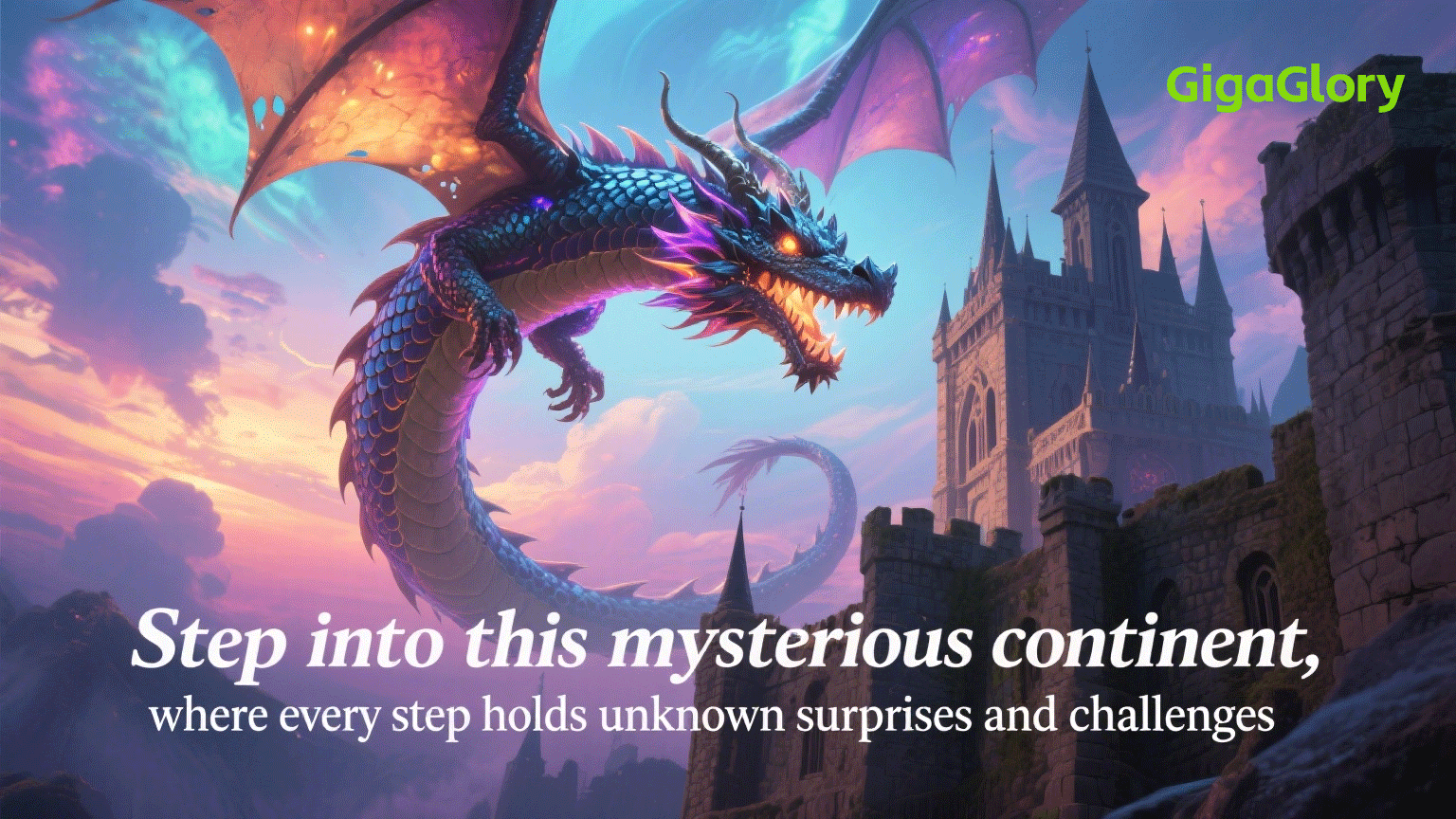
Open world games allow players to traverse vast landscapes brimming with activities. Unlike linear gameplay, these titles offer freedom and creativity. Players can choose their paths, make decisions, and face their consequences. From epic quests to minimal side missions, the choice is in the player’s hands. This non-linear experience is what draws many toward MMORPGs.
How MMORPGs Foster a Thriving Community
One of the biggest draws of MMORPGs is their community aspect. Players join together, form guilds, and participate in in-game events. This sense of belonging fosters loyalty. Unlike traditional single-player games, where players may finish the game and move on, MMORPGs keep players engaged long-term. With updates and expansions, developers can expand the world and its community.
Player Interaction: The Heart of MMORPGs
Player interactions in MMORPGs are more than just a feature; they're the heart of the experience. The social aspect allows players not only to team up for quests but also to engage in economy systems, trade items, and create their narratives. The opportunities for collaboration and conflict manifest in ways that keep players invested in the game's ecosystem.
The Role of Storytelling in MMORPGs
Another significant factor is storytelling. MMORPGs often employ rich narratives that evolve over time. Players don’t just follow a static storyline; they help shape it through their actions. For example, in games like Final Fantasy XIV, the storyline has evolved significantly based on player choices and global events, making the narrative a living entity. This dynamic storytelling style keeps players coming back for more.
Technological Advancements and Their Impact
With the rise of technology, MMORPGs have benefitted significantly. Innovations in graphics, AI, and server capabilities have led to more immersive worlds. Developers can create environments that feel alive. Realistic weather systems, day-night cycles, and intricate NPC behavior all contribute to a captivating experience that traditional gaming formats struggle to replicate.
The Impact of Mobile Gaming
As mobile technology advances, MMORPGs are also transitioning onto mobile platforms. Many players now experience these expansive worlds on their phones or tablets. In response, developers are optimizing gameplay for these platforms without sacrificing quality or experience. This mobile adaptation has allowed games to reach a broader audience, fuelling the growth of the MMORPG sector.
Insights into Game Development Trends
Let’s break down some notable trends in MMORPG game development and their contributions to the open world genre:
- **Cross-Platform Play:** Allowing players from different platforms to interact.
- **User-Generated Content:** Empowering players to create mods, quests, and items.
- **Enhanced Crafting Systems:** Innovating ways players can shape their worlds and items.
- **Dynamic NPCs:** Developing AI-driven characters that evolve with the player’s journey.
- **Seasonal Content:** Keeping engagement high through regular updates and events.
Examples of Pioneering MMORPGs
| Game Title | Release Date | Key Innovations |
|---|---|---|
| World of Warcraft | 2004 | Extensive lore and raid mechanics |
| Final Fantasy XIV | 2013 | Diverse storytelling and cast of characters |
| The Elder Scrolls Online | 2014 | Rich open world and questing system |
| Guild Wars 2 | 2012 | Dynamic events and player-driven economy |
Challenges Within the MMORPG Landscape
While the rise of MMORPGs is compelling, developers face immense challenges. Balancing gameplay, managing server stability, and ensuring player retention are complex issues. Notably, when games transition into open worlds, maintaining a cohesive narrative while enabling exploration proves to be a daunting task. Moreover, with the introduction of titles like Crash Team Racing Nitro-Fueled, which has faced issues like private matches not working, the stress arises on developers to keep all aspects of their games functioning smoothly.
The Future of MMORPGs and Open World Gaming
As we gaze into the future, it's clear that MMORPGs will continue to lead innovations in open world games. With the incorporation of VR, AI, and cross-platform abilities, the boundaries of what's possible are ever-expanding. Expect to see even more immersive experiences where players can genuinely interact with their environments and each other in groundbreaking ways.
Conclusion
In summary, MMORPGs are indeed at the forefront of open world game development because of their distinctive blend of storytelling, community focus, and advanced technologies. As they continue to evolve and incorporate new trends, we can only imagine the kinds of worlds they will create for players. It's a thrilling time to be a part of this community, and for those still sitting on the fence, now is the perfect moment to dive into an MMORPG experience and witness the magic firsthand.